
Gardening with Arthritis: 5 Tips That Help Reduce Pain
If you love gardening but struggle with arthritis, you’re not alone. Many gardeners deal with joint pain, stiffness, and hand fatigue. The good news is that with a few simple adjustments, you can keep gardening comfortably. Here are five tips that real gardeners with arthritis swear by.
1.Warm Up Your Hands Before You Start
Just like athletes warm up before exercise, your hands need a little prep before gardening. Run them under warm water for a few minutes, or soak them in a bowl of warm water. This helps loosen stiff joints and gets blood flowing.
Some gardeners also do gentle hand stretches—opening and closing their fists slowly, or spreading their fingers wide. It only takes a minute, but it makes a real difference.
2.Choose Tools with Ergonomic Handles
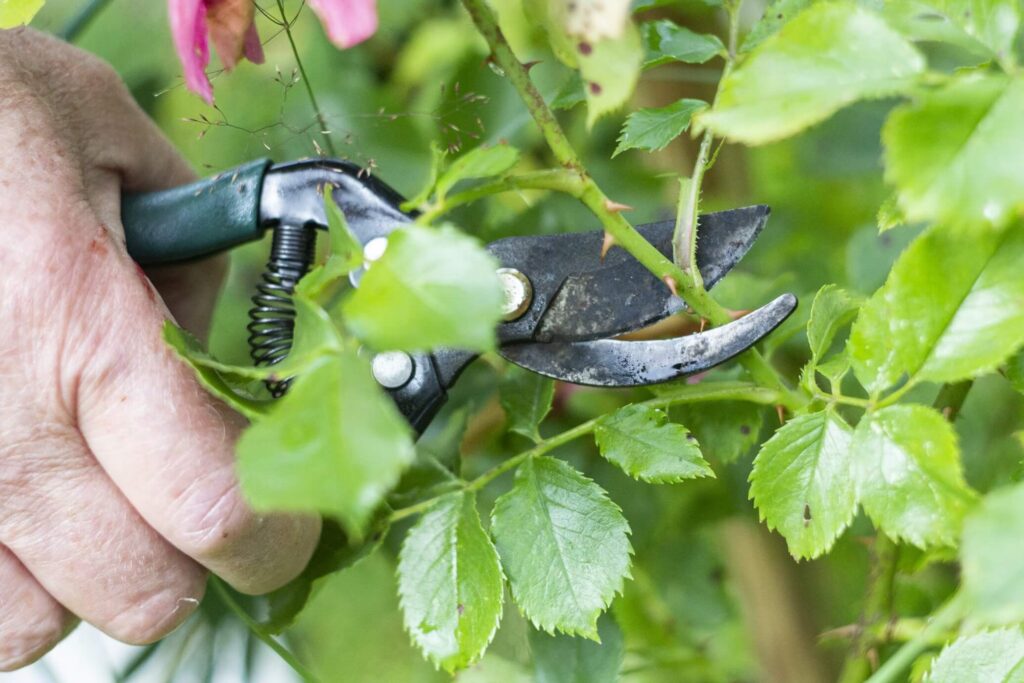
If you’re gardening with arthritis, the tools you use matter more than anything. Look for tools with soft, non-slip grips that fit comfortably in your hand. Ergonomic handles are designed to reduce strain on your joints.
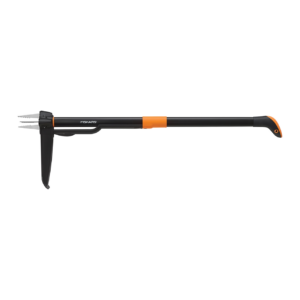
Many users recommend pruners with a gear mechanism—they multiply your strength so you don’t have to squeeze as hard. For weeding, long-handled tools let you stand up straight, saving your knees and back.
We’ve written a full guide on best gardening tools for seniors with arthritis if you want specific recommendations.
3. Take Breaks and Pace Yourself
One of the biggest mistakes gardeners with arthritis make is trying to do too much at once. Work for 20-30 minutes, then take a break. Stretch your hands, walk around, or just sit and enjoy your garden.
Pacing yourself isn’t just about avoiding pain—it lets you garden more often. A little bit each day is better than one long session that leaves you sore for a week.
4. Use Both Hands and Switch Often
When you use the same tool in the same hand for a long time, you overwork those muscles and joints. Try switching hands every few minutes. It might feel awkward at first, but it spreads the workload and reduces fatigue.
For two-handed tools like pruners, make sure you’re using the grip that feels most natural. Some models are designed specifically for smaller or larger hands—finding the right fit makes a huge difference.
5. Store Tools at Waist Height
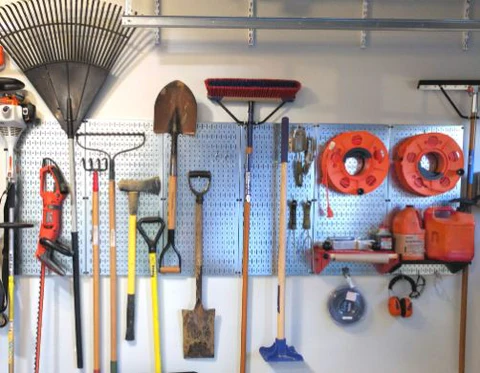
Bending down to pick up tools puts extra strain on your back and knees. Store your most-used tools on a wall rack or in a bucket at waist height. That way, you can grab them without bending.
A simple pegboard in your shed or garage works great. Hang pruners, trowels, and weeders where you can reach them easily. Your back will thank you.
Quick Summary

- Warm up your hands first
- Use ergonomic tools
- Take breaks often
- Switch hands regularly
- Keep tools within easy reach
Small changes add up to a big difference. Try these tips and see what works for you.
You Might Also Like
- Best Gardening Tools for Seniors with Arthritis
- How to Fix Rusty Garden Pruning Shears
- Beginner Gardening Tools: What to Buy First
Have you found any tricks that make gardening easier with arthritis? Share them in the comments below!