Garden Tool Brush with Scraper: Make Cleanup Easier
If you’re like most gardeners, you probably spend a lot of time thinking about pruners, trowels, and weeders. But there’s one tool that doesn’t get enough attention—the humble garden tool brush with a scraper.
After spending hours cleaning dirty tools myself, I started looking into what makes a good cleaning brush. Here’s what I found after reading product descriptions and user feedback.
What Is a Garden Tool Brush with Scraper?
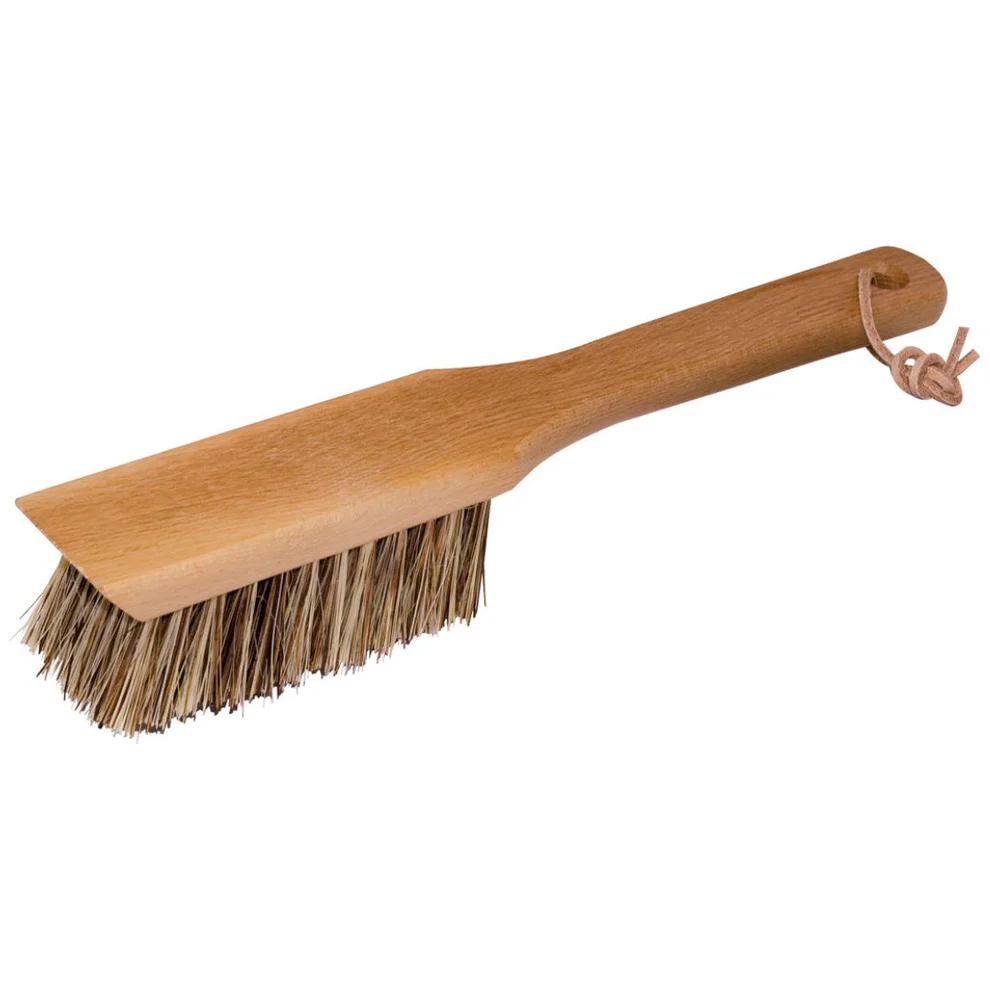
A garden tool brush with scraper is exactly what it sounds like—a brush designed specifically for cleaning gardening tools, with a built-in scraper on the front. The stiff bristles remove soil and plant residue, while the scraper tackles dried-on mud and stuck-on debris.
Most have these features:
- Stiff bristles – Usually made of plant fiber or synthetic materials, strong enough to remove dirt without scratching metal or paint
- Built-in scraper – On the front, for scraping off stubborn buildup
- Long handle – Protects your hands from sharp edges like lawnmower blades
- Wooden or metal body – Often made from oiled beechwood or metal, durable and comfortable to hold
Some are designed specifically for lawnmowers, while others work for all kinds of garden tools and even gardening boots.
Why You Need One
清洁工具不仅仅是为了保持它们的外观美观。以下是它为何如此重要的原因:
| Reason | What It Means |
|---|---|
| Prevents rust | Dirt holds moisture against metal, causing rust |
| Stops disease spread | Soil can harbor plant diseases that transfer between plants |
| Keeps tools sharp | Clean blades cut better and stay sharp longer |
| Makes work easier | Clean tools work better—dull, dirty tools are harder to use |
A good brush with a scraper makes this job much easier. You don’t need to scrub with your hands or use harsh chemicals—just brush and scrape, and you’re done.
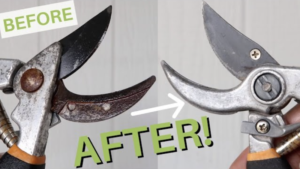
Cleaning is just the first step. If your tools are already rusty, check out our guide on How to Fix Rusty Garden Pruning Shears.
What to Look For in a Garden Tool Brush
Based on product descriptions and user feedback, here are the key things to consider:
Bristle Hardness
The bristles need to be stiff enough to remove dirt but not so hard that they damage your tools. Most garden tool brushes use “especially hard bristles” or “stiff bristles” for effective cleaning. Plant fiber bristles are common and work well without scratching.
Scraper Quality
The scraper is what sets this tool apart. Look for one that’s:
- Firm enough to remove dried-on debris
- Not so sharp that it damages paint or metal
- Well-attached to the brush head
Some users mention that scrapers can be too thin and bend easily. A good scraper should be sturdy but not overly aggressive.
Handle Design
A longer handle protects your hands—especially important when cleaning tools with sharp edges like pruners or lawnmower blades. The handle should be comfortable to grip, even when your hands are wet or dirty.
For more tool maintenance tips, check out our Garden Tool Care & Maintenance section.
Material Quality
Many good brushes are made with oiled beechwood bodies. Wood is durable, feels good in the hand, and holds up well to repeated use. Some have metal bodies for extra durability. Scrapers are often plastic, made from PET or PVC.
How to Use a Garden Tool Brush with Scraper
Using one is simple. Here’s the basic process:
- Scrape first – Use the built-in scraper to remove dried mud and stuck-on debris
- Brush off remaining dirt – Use the stiff bristles to clean off soil and plant residue
- Wipe dry – Especially important for metal parts to prevent rust
- Store properly – Keep your brush somewhere dry so it lasts
For lawnmowers, you can use the scraper to remove grass buildup from the blades and underside. Just be careful of sharp edges.
A Few Things Users Mention
From reading user feedback, here are a couple of things to keep in mind:
- Scraper thickness matters – Some users find scrapers too thin and prone to bending. If you’re dealing with really tough buildup, look for a sturdier scraper.
- Works for more than tools – These brushes are also great for cleaning gardening boots and other outdoor gear.
- Long handle is a plus – Users appreciate the protection from sharp edges, especially when cleaning mower blades.
If you’re new to gardening, you might also find our Beginner Gardening Tools: What to Buy First guide helpful.
Keeping Your Brush Clean
Your cleaning tool needs cleaning too. After each use:
- Rinse the bristles with water
- Tap out any stuck dirt
- Let it air dry
- Store it somewhere dry
A well-maintained brush will last for years.
You Might Also Like
- How to Fix Rusty Garden Pruning Shears
- Garden Tool Care & Maintenance
- Beginner Gardening Tools: What to Buy First
Do you use a special brush for cleaning your garden tools? Share your experience in the comments!