What Is a Garden Trowel Used For? 5 Essential Tasks
When I first started this website, my knowledge of garden trowels was basically “it’s a small shovel that digs holes.” That was about it.
Then I started reading more—gardening forums, product descriptions, user reviews. I realized there’s a lot more to this little tool than I thought. And honestly, learning about it made my own gardening much easier.
So here’s what I’ve put together from my reading. If you’re new to gardening like me, I hope this helps you skip some of the confusion I had at the beginning.
What Is a Garden Trowel?
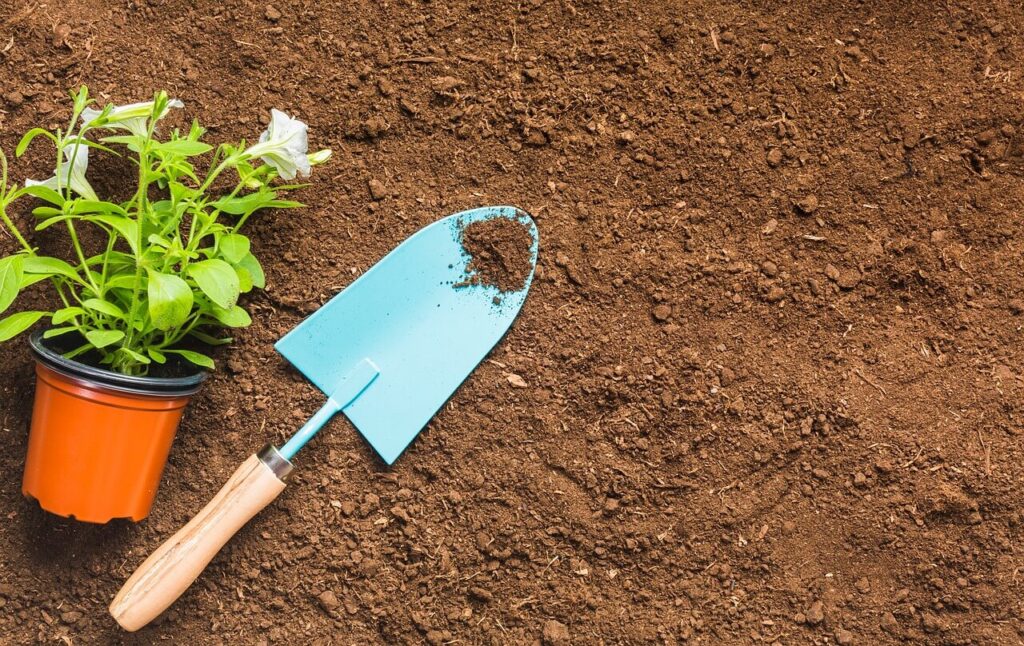
A garden trowel is a small handheld digging tool. It usually has a metal blade and a wooden, plastic, or rubber grip. The blade is curved slightly to scoop soil, and the tip is pointed to pierce through dirt easily.
From what I’ve seen, there are a few common types:
- Wide-blade trowels – good for moving soil and filling pots
- Narrow-blade trowels – better for digging precise holes for small seedlings
- Trowels with depth markings – helpful if you’re planting things that need to be at a specific depth
For most beginners, a medium-width trowel with a comfortable grip seems to be the sweet spot.
5 Things You Can Do with a Garden Trowel
1. Digging Small Holes for Planting
This is the obvious one. If you’re planting flowers, vegetable starts, or bulbs, you need a trowel.
What I’ve learned from reading:
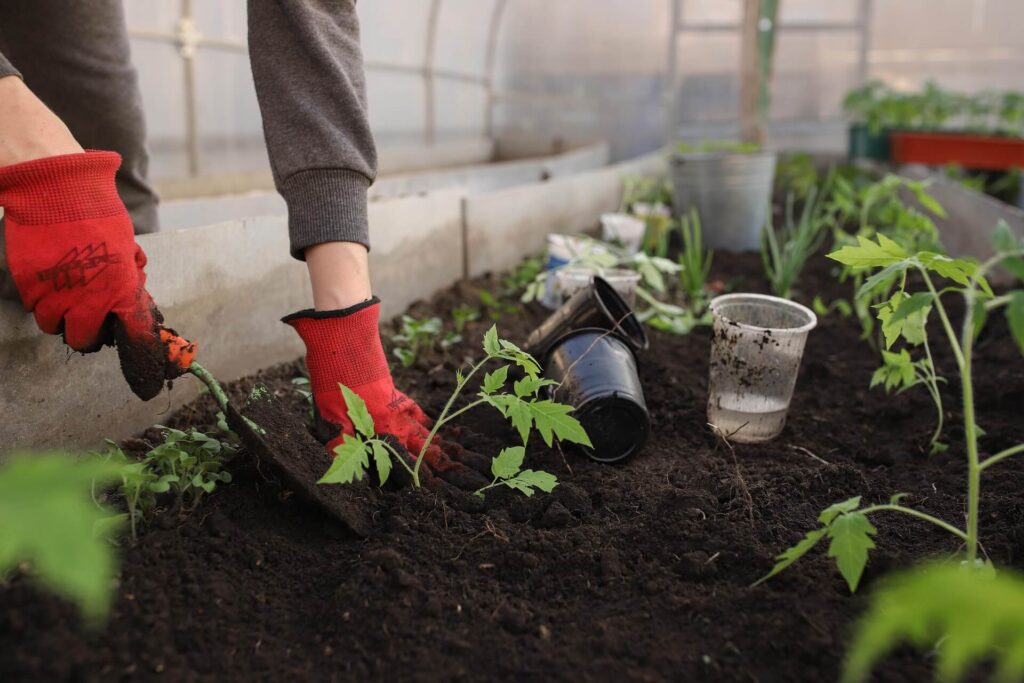
- Push the blade in at a slight angle, not straight down. Straight down just makes a dent.
- If the soil is hard and dry, water it first and wait a bit. Trying to dig in dry soil is frustrating, and I’ve read that it can bend cheaper trowels.
- Lift the soil out and set it aside. If you’re doing a lot of planting, keep a bucket nearby so you’re not bending over constantly.
2. Transplanting Seedlings
Before I read up on this, I used to just grab seedlings and pull. Half the time the stem would snap or the roots would tear.
From what I’ve gathered, a trowel is much better:
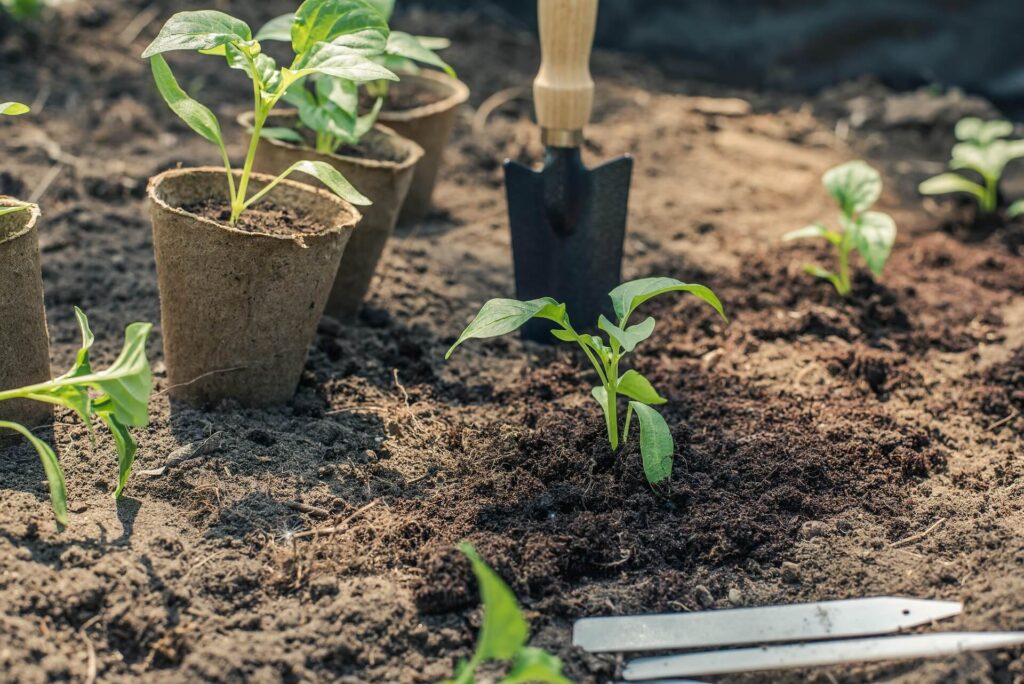
- Dig around the seedling, keeping some distance from the stem
- Slide the blade underneath to lift the whole root ball
- Move it to its new spot and cover the roots with soil
One tip I picked up: water the seedling a few hours before transplanting. Moist soil holds together better, so the roots don’t fall apart.
3. Mixing Soil and Fertilizer
I hadn’t thought of this until I read about it, but it makes perfect sense. If you garden in containers, you’ll often need to mix potting soil with compost or fertilizer.
A trowel works like a big spoon:
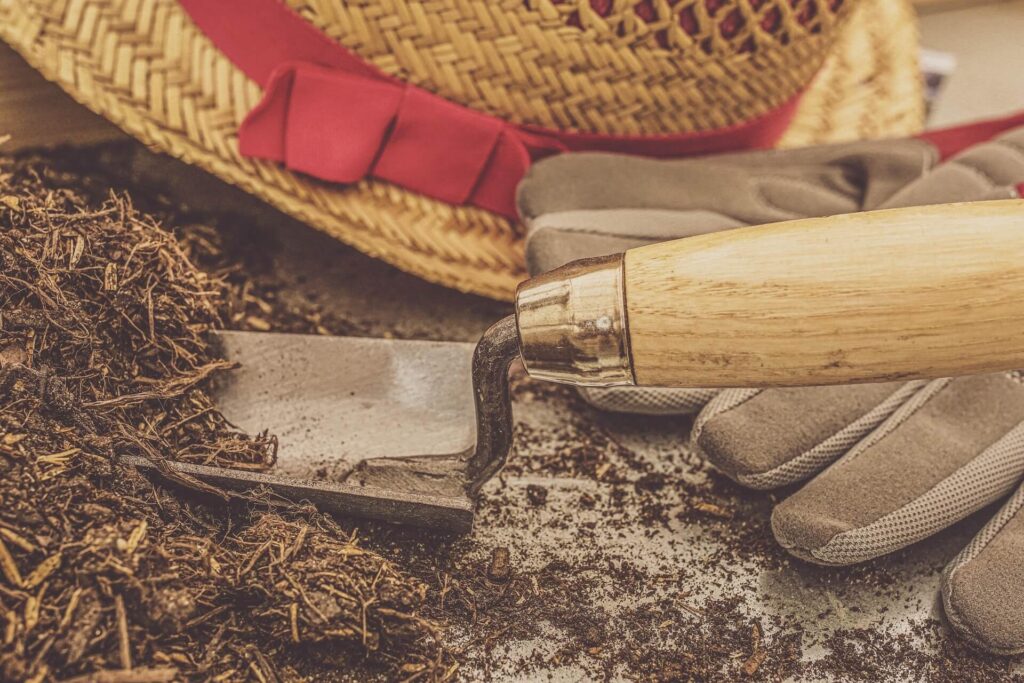
- Put your ingredients in a bucket or empty pot
- Turn everything over with the trowel until it’s mixed
- Scoop it into your containers
The curved blade holds a surprising amount, and it’s way less messy than using your hands.
4. Weeding in Tight Spaces
Some weeds are easy to pull. Others have deep roots or grow in cracks where you can’t get a good grip.
From what I’ve read, a trowel helps with those tricky ones:
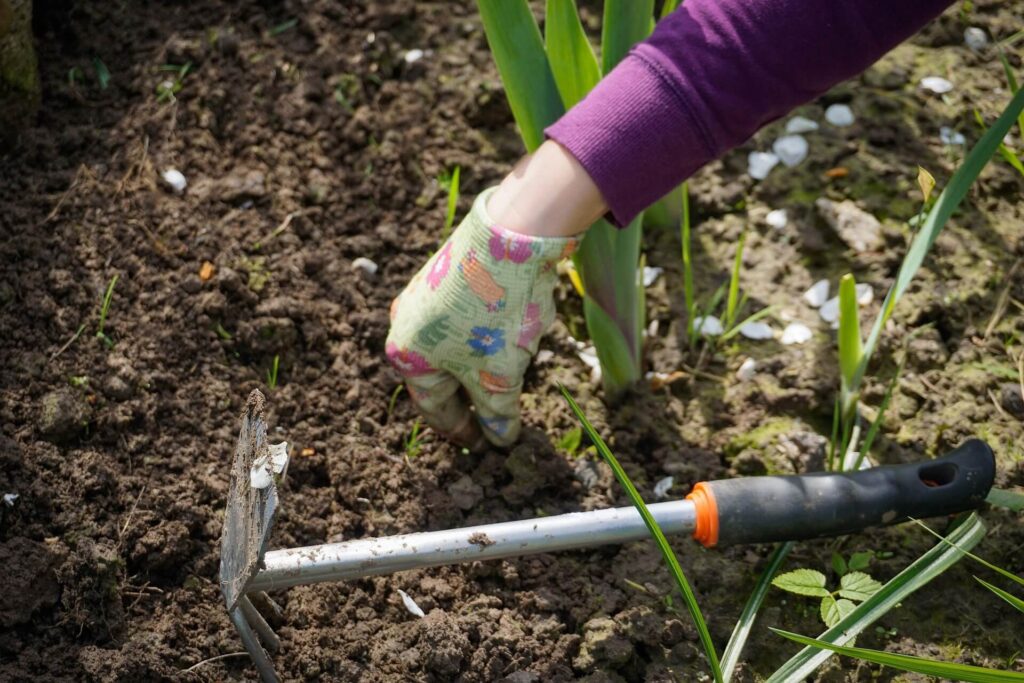
- Slide the blade into the soil next to the weed’s base
- Pry upward gently to loosen the roots
- Then pull—it should come out much easier
This seems especially useful for weeds like dandelions with long taproots. The pointed tip can get deep without disturbing nearby plants.
5. Scooping and Transferring Soil
This one sounds too simple to mention, but it’s honestly one of the most common uses. Filling pots, topping off beds, spreading soil over seeds—you’ll do this constantly.
Just use it like a big spoon:
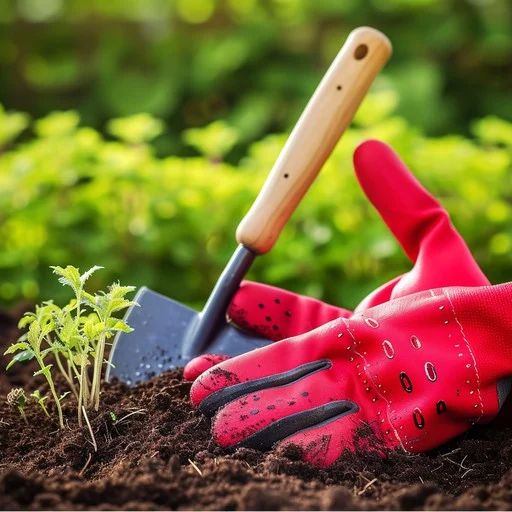
- Fill the blade and tip it into your pot
- Use the back to level things out if needed
- When working from a bag, hold it open with one hand and scoop with the other
If you do any container gardening, you’ll use a trowel for this all the time.
How to Choose a Garden Trowel
I haven’t owned many trowels myself—just a couple. But I’ve read a lot of reviews and product descriptions while putting this site together. Here’s what I’ve learned:
| Feature | What to Look For | Why |
|---|---|---|
| Blade material | Stainless steel | Seems to resist rust best |
| Handle material | Rubber or soft-grip plastic | More comfortable if you’re using it for a while |
| Blade width | Medium for general use | Covers most tasks |
| Extras | Depth markings, hang hole | Nice to have but not essential |
From what I’ve read, a stainless steel blade with a rubber grip is a safe choice for most beginners. It lasts, it’s easy to clean, and it won’t leave your hand sore.
A Few Tips I’ve Picked Up
- Clean it after use – Wet dirt can cause rust over time. I learned this the hard way with my first tool.
- Don’t use it for prying – It’s for soil, not for rocks or roots. Using it wrong can bend the blade.
- If the handle gets loose, a little wood glue or tightening the screw usually fixes it.
For more on keeping tools in good shape, here’s our garden tool care guide.
Final Thoughts
I’m still learning about gardening and tools myself. Everything I’ve written here comes from reading and trying to figure things out along the way.
If you’re new to gardening like me, I hope this helps. And if you notice something I got wrong, or if you have your own tips to share, leave a comment. I’m always looking to learn more.
For a more detailed look, here’s our beginner’s guide: How to Use a Garden Trowel: A Beginner’s Guide.
You Might Also Like
What’s your most-used garden tool? Anything you wish you’d known when you started? Drop it in the comments—I’d love to hear what other beginners are learning.